

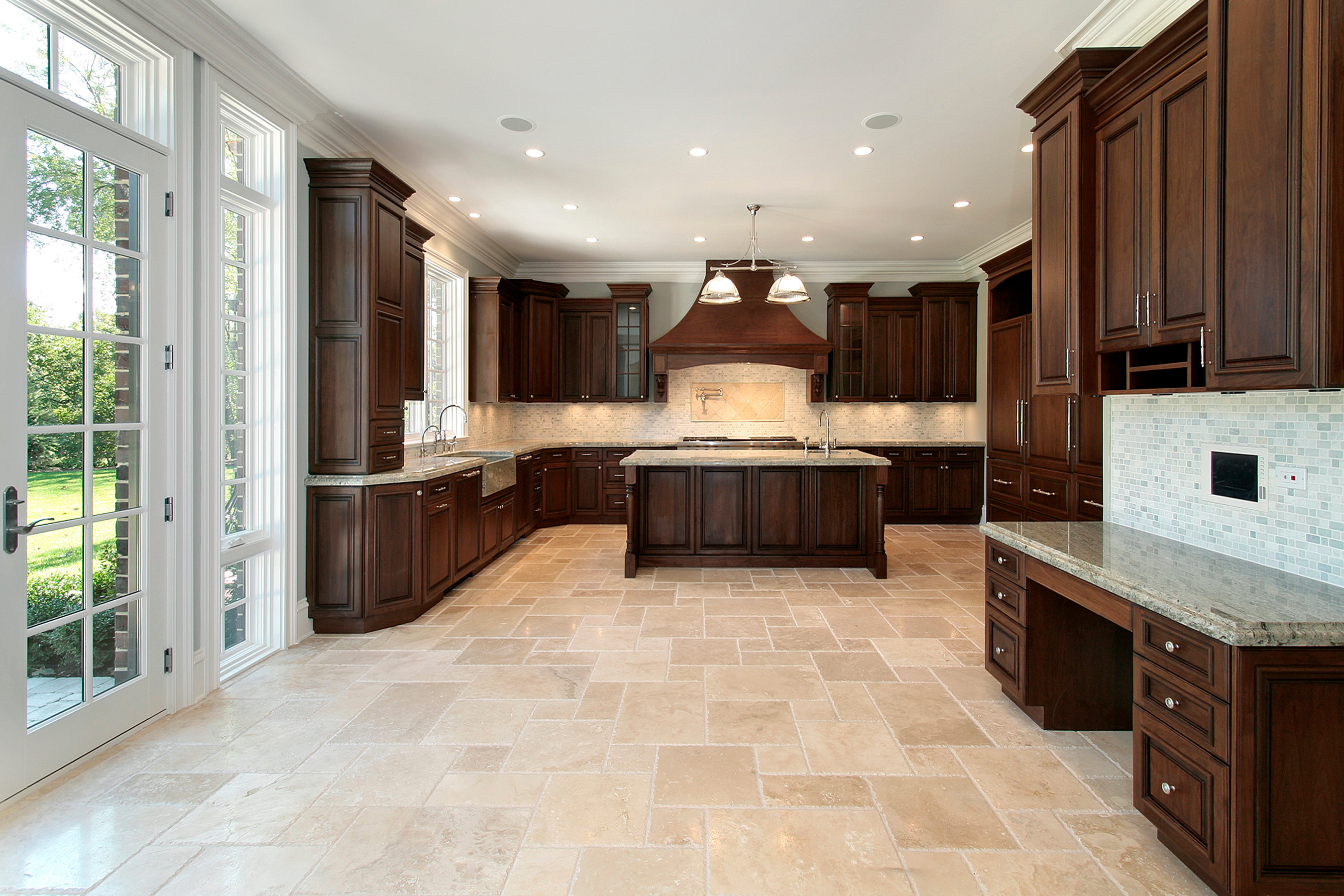
When it comes to areas of the home that face the most "action"—kitchens, bathrooms, mudrooms, and entryways—tile is the undisputed champion. But in 2026, tile has moved far beyond the utilitarian white squares of the past. Today’s ceramic and porcelain tiles are masterpieces of design, capable of mimicking everything from rare marble to reclaimed barn wood. At Wallett's Flooring, we have expanded our ceramic tile and hardwood display areas significantly since our 1998 opening to ensure our customers have access to the latest global fashions.
Located at 403 East Main Street in Hummelstown, PA, our showroom is designed to help you visualize how different textures, sizes, and grout colors can completely redefine the mood of your home. Whether you are planning a spa-like master bath or a heavy-duty kitchen floor, tile offers a level of customization that no other material can match.
Understanding the Difference: Ceramic vs. Porcelain
While the terms are often used interchangeably, there are technical differences that matter for your installation.
Ceramic Tile is made from clay and fired in a kiln at high temperatures. It is generally easier to cut and is ideal for wall applications, backsplashes, and residential floors with moderate traffic. It offers an incredible array of colors and patterns at an accessible price point.
Porcelain Tile is a subtype of ceramic that is fired at much higher temperatures and made with denser clay. This makes it nearly impervious to water (less than 0.5% absorption rate) and incredibly hard. Porcelain is the go-to choice for bathroom floors where moisture is constant.
The Rise of Large-Format Tiles and Gauged Porcelain
One of the biggest trends we are seeing in 2026 is the move toward larger tiles. Traditionally, 12x12 inches was the standard. Now, we are frequently installing tiles that are 24x24, 24x48, or even larger.
The benefit of large-format tile is twofold. First, it creates a sense of luxury and scale, making a room feel expansive. Second, it reduces the number of grout lines. Grout is the part of a tile floor that requires the most maintenance; by minimizing it, you create a cleaner, more seamless look that is much easier to keep hygienic. For those looking for the ultimate modern aesthetic, "Gauged Porcelain" or tile slabs can cover entire walls with virtually no visible seams.
Pattern, Texture, and the "Natural" Look
The technology behind tile manufacturing has reached a point of high-definition realism.
Wood-Look Tile: Perfect for those who want the warmth of wood in a bathroom or basement where real hardwood isn't an option.
Encaustic Patterns: These are bold, geometric patterns that bring a "vintage chic" vibe to laundry rooms and entryways.
Natural Stone Replicas: High-definition printing allows porcelain to mimic Carrara marble or slate so accurately that it’s nearly impossible to tell the difference.
The Importance of Precision Installation
Tile is one of the most difficult materials to install correctly. It requires a perfectly level subfloor—any slight dip can cause "lippage," where the edge of one tile is higher than another. David Wallett and his team are experts in substrate preparation and the use of modern leveling systems.
From choosing the right thin-set mortar to selecting a grout color that complements your aesthetic, we handle every detail. Since 1992, our goal has been to provide quality products that are professionally installed.
Ready to start your kitchen or bath renovation? Explore our tile and stone gallery to see how the right tile can redefine your home's most important spaces.


