

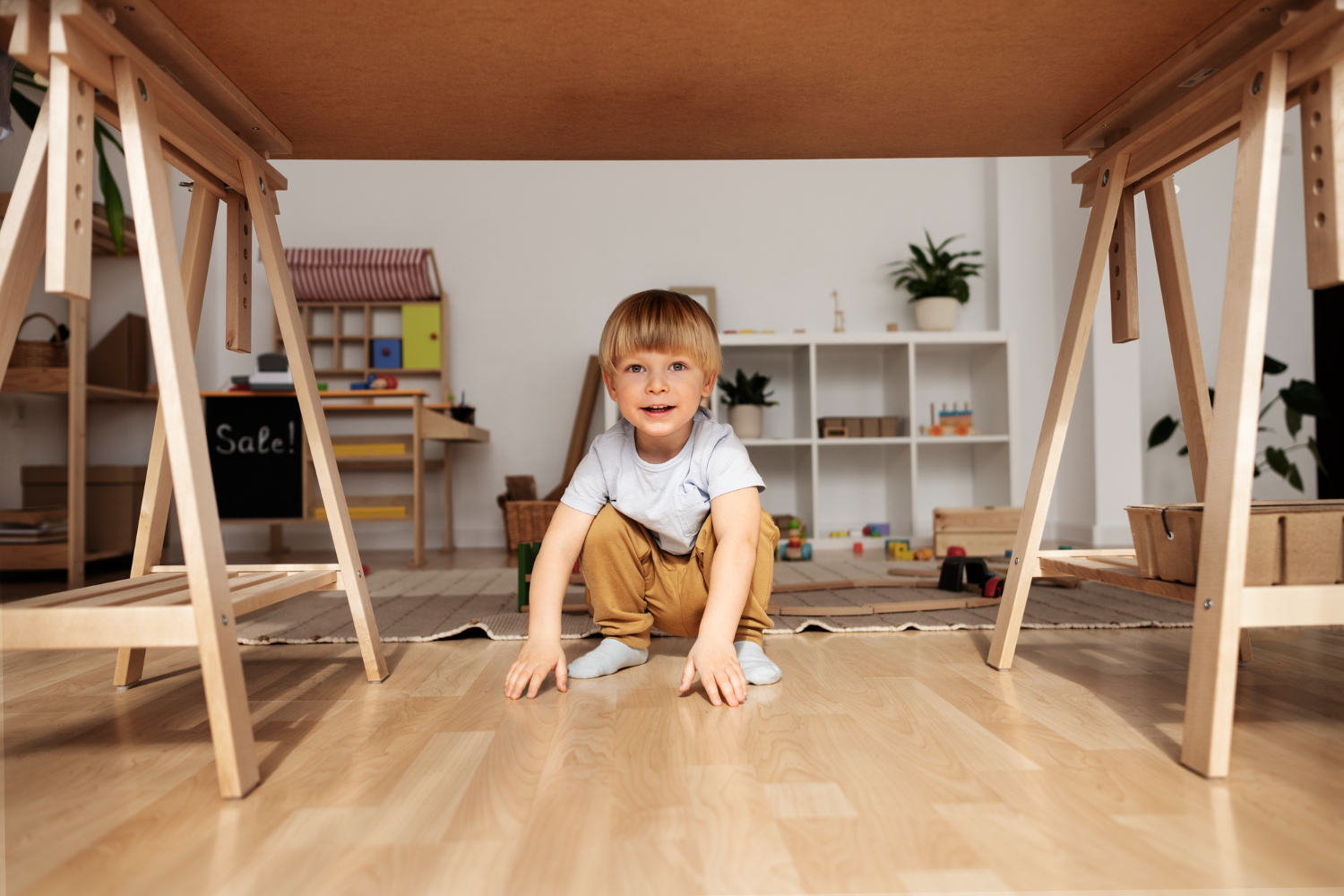
Luxury vinyl plank (LVP) flooring is known for its strength, beautiful design, and long-lasting performance—but what sits underneath it matters just as much as the floor itself. Underlayment plays a key role in comfort, sound absorption, moisture protection, and the overall durability of an LVP installation. With so many options on the market, choosing the right underlayment can feel overwhelming. A thoughtful approach helps ensure that the flooring performs at its best in every room of the home.
The role underlayment plays beneath LVP
Underlayment may be thin, but it carries a big responsibility. It adds softness underfoot, keeps floors quieter, and helps LVP sit smoothly on the subfloor. In some cases, it also protects from moisture and improves temperature insulation. When chosen wisely, it enhances the lifespan of the flooring and elevates the day-to-day living experience.
Why LVP underlayment isn’t one-size-fits-all
Different rooms place different demands on flooring. A living room, for instance, may need stronger sound absorption, while a basement requires heightened moisture protection. Homes with kids, pets, or high traffic will also benefit from specific underlayment performance features. Understanding these differences is the first step in making the right selection.
Understanding the main types of LVP underlayment
Underlayments come in several materials and thicknesses. Each one brings its own advantages depending on the home environment.
Foam underlayment
Foam is the most common underlayment option. It’s lightweight, affordable, and simple to install. Foam provides excellent cushioning and reduces impact noise from footsteps. It’s a comfortable choice for living rooms, bedrooms, and family spaces where comfort and softness matter.
Cork underlayment
Cork is a natural, sustainable material prized for its sound-dampening qualities. It’s ideal for households that want a quieter environment, especially in homes with multiple levels. Cork adds warmth, supports energy efficiency, and offers a firm-yet-comfortable surface beneath LVP. It’s often recommended for bedrooms, playrooms, and second-floor installations.
Rubber underlayment
Rubber is dense and highly durable. It provides top-tier sound absorption and stands up well to heavy foot traffic. It’s also resistant to mold and mildew, making it a smart choice for moisture-prone spaces. Rubber underlayment is commonly used in basements, home gyms, and multi-family buildings.
Moisture-barrier underlayment
Some underlayments are built with a vapor barrier layer. These options protect the flooring from moisture rising through concrete or below-grade spaces. If the project involves a basement, slab foundation, or laundry room, a moisture-barrier underlayment becomes essential for safeguarding the LVP planks.
When an attached underlayment is already included
Many modern LVP products come with a pre-attached underlayment. This built-in layer simplifies installation and provides baseline comfort and sound reduction. However, homeowners often wonder whether an extra layer is still needed.
Deciding if an additional layer is necessary
In most cases, adding an additional underlayment isn’t recommended because it can cause improper locking of the planks or create too much softness underfoot. The flooring manufacturer’s instructions should always guide this choice. If the product already includes a backing, it’s typically designed to perform without extra layers—and adding one can void warranties or lead to long-term issues.
Matching underlayment to subfloor type
Different subfloor materials affect how underlayment behaves beneath LVP. Ensuring compatibility prevents issues like shifting, buckling, or moisture damage.
Concrete subfloors
Concrete naturally attracts and retains moisture. For this reason, a moisture-block underlayment—or a product with a built-in vapor barrier—is strongly recommended. This keeps humidity from seeping into the LVP and protects the flooring system over time.
Plywood or OSB subfloors
Wood subfloors are more forgiving and offer a stable base. Foam or cork underlayments pair well here, offering comfort and sound absorption without needing heavy moisture protection (unless the space is prone to spills or humidity, like a kitchen).
Older subfloors with imperfections
If the subfloor has light irregularities, some underlayments help mask small imperfections. Rubber and cork tend to offer more stability in these cases. However, no underlayment can replace proper leveling, so checking subfloor conditions early is essential.
Additional factors to consider before choosing
Every home has its own needs. These additional points help narrow down the best underlayment option.
Noise and acoustics
If a quieter home is the goal—especially in multi-level spaces—cork or rubber offer superior sound control. Foam works well too, but it won’t absorb as much sound in high-activity areas.
Comfort underfoot
Foam and cork deliver the softest feel. In rooms where the family stands or walks frequently, like the kitchen, cushioned underlayment can significantly improve comfort.
Thermal insulation
For chilly Pennsylvania winters, cork and rubber help maintain warmth and balance indoor temperatures. They also reduce that cold-floor shock when stepping into a room on winter mornings.
Home value and durability
Higher-grade underlayments offer long-term benefits for homeowners planning to stay in their home for many years. Premium options enhance sound quality, preserve subfloor stability, and extend the life of the LVP flooring.
Schedule a visit with Wallett’s Flooring today!
Selecting the right underlayment comes down to balancing comfort, performance, and the specific needs of the room. For homes with concrete subfloors or below-grade spaces, moisture protection is essential. For noise reduction, cork or rubber shine. And for everyday comfort in family-focused rooms, foam remains a reliable favorite. Taking the time to weigh these factors ensures that the LVP flooring looks beautiful and performs beautifully for years to come.
For expert guidance on LVP underlayment options, professional installation, and the latest flooring fashions, Wallett’s Flooring is here to help. Since 1992, our family-owned showroom in Hummelstown has proudly served homeowners in Hummelstown, Hershey, Palmyra, and Middletown, PA. Stop by or reach out today to explore quality products and trusted installation from our flooring experts.


