

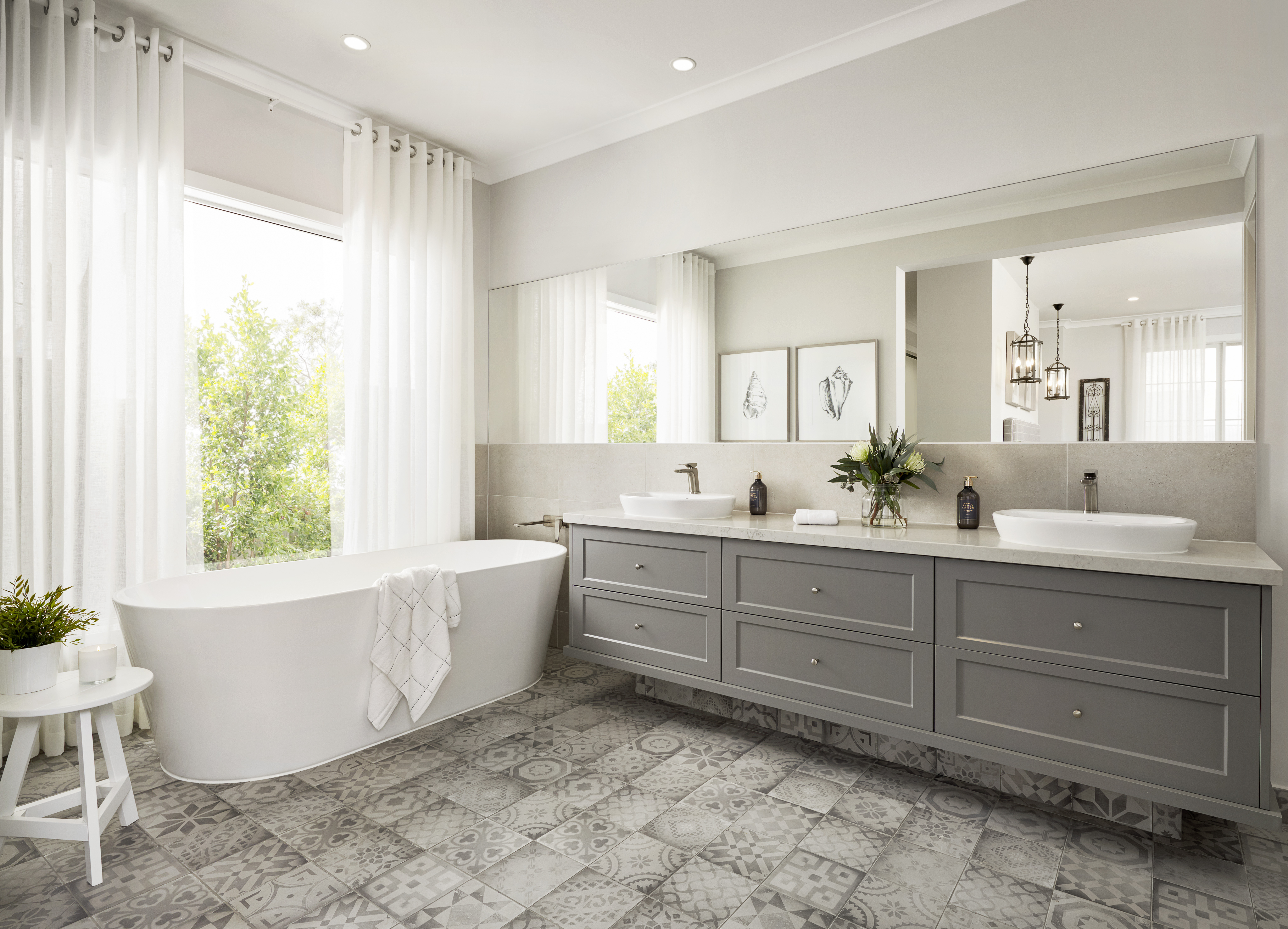
When remodeling high-moisture spaces like kitchens, bathrooms, laundry rooms, and basements, water resistance is a non-negotiable requirement. For decades, traditional ceramic and porcelain tile held a virtual monopoly over these wet zones. However, the dramatic rise of Luxury Vinyl Tile (LVT) has completely revolutionized the industry, presenting homeowners with a highly durable, beautifully realistic alternative that challenges traditional stone.
Both materials deliver exceptional waterproof performance and gorgeous visual aesthetics, but they differ significantly in terms of warmth, installation complexity, sound acoustics, and long-term maintenance. Deciding which option is right for your home requires a closer look at how each material behaves under real-world conditions.
The Classic Case for Ceramic and Porcelain Tile
Ceramic and porcelain are natural materials made from clay fired at extremely high temperatures, resulting in a dense, glassy surface that is completely impervious to water, scratches, and heat.
Unmatched Longevity: When properly installed on a solid, level subfloor, a tile floor can easily last for half a century without showing signs of wear.
Value Addition: Real tile is universally recognized as a high-end finish that elevates a home’s resale value and appeals to discerning buyers.
Hypoallergenic Properties: Because tile is completely inorganic and incredibly easy to sanitize, it does not harbor dust, dander, mold, or pollen, contributing to excellent indoor air quality.
The Modern Advantages of Luxury Vinyl Tile
LVT consists of multiple synthetic layers, including a rigid waterproof core, a high-definition photographic design layer, and a heavy-duty urethane wear layer.
Unlike cold ceramic surfaces, LVT naturally retains room temperature, making it far warmer and more comfortable to walk on with bare feet. Additionally, LVT offers a slight degree of physical flexibility, which translates to a softer feel underfoot and a much lower likelihood of dropped dishes shattering upon impact. Because LVT utilizes click-lock or glue-down installation methods, it can be installed much faster than ceramic tile, resulting in lower labor costs and less downtime for your household.
Comparing Maintenance and Grout Care
The biggest ongoing complaint with traditional ceramic tile is the maintenance of grout lines. Grout is inherently porous and can easily absorb dirty water, grease, and soap scum, leading to discoloration over time if not sealed regularly. LVT, on the other hand, does not require traditional cement grout. Many modern luxury vinyl options feature realistic painted bevels that mimic the look of grout lines without the porous, stain-prone reality. This makes cleaning an LVT floor as effortless as a quick spray and wipe with a neutral cleaner.
Whether you prefer the structural prestige of genuine Italian porcelain or the warm, resilient performance of luxury vinyl, having your floor installed by certified mechanics is the only way to protect your product warranties. Our team has been serving the local community since July of 1992, bringing certified technical training and friendly expertise to every residential project. Feel free to visit the Wallett's Flooring about us page to learn more about our certified installation standards and family-first approach to customer care.
Ready to select the ultimate waterproof surface for your upcoming bath or kitchen renovation? Please head over to our Wallett's Flooring location page to get directions to our showroom and explore our curated samples of both luxury vinyl and designer ceramic collections.


