

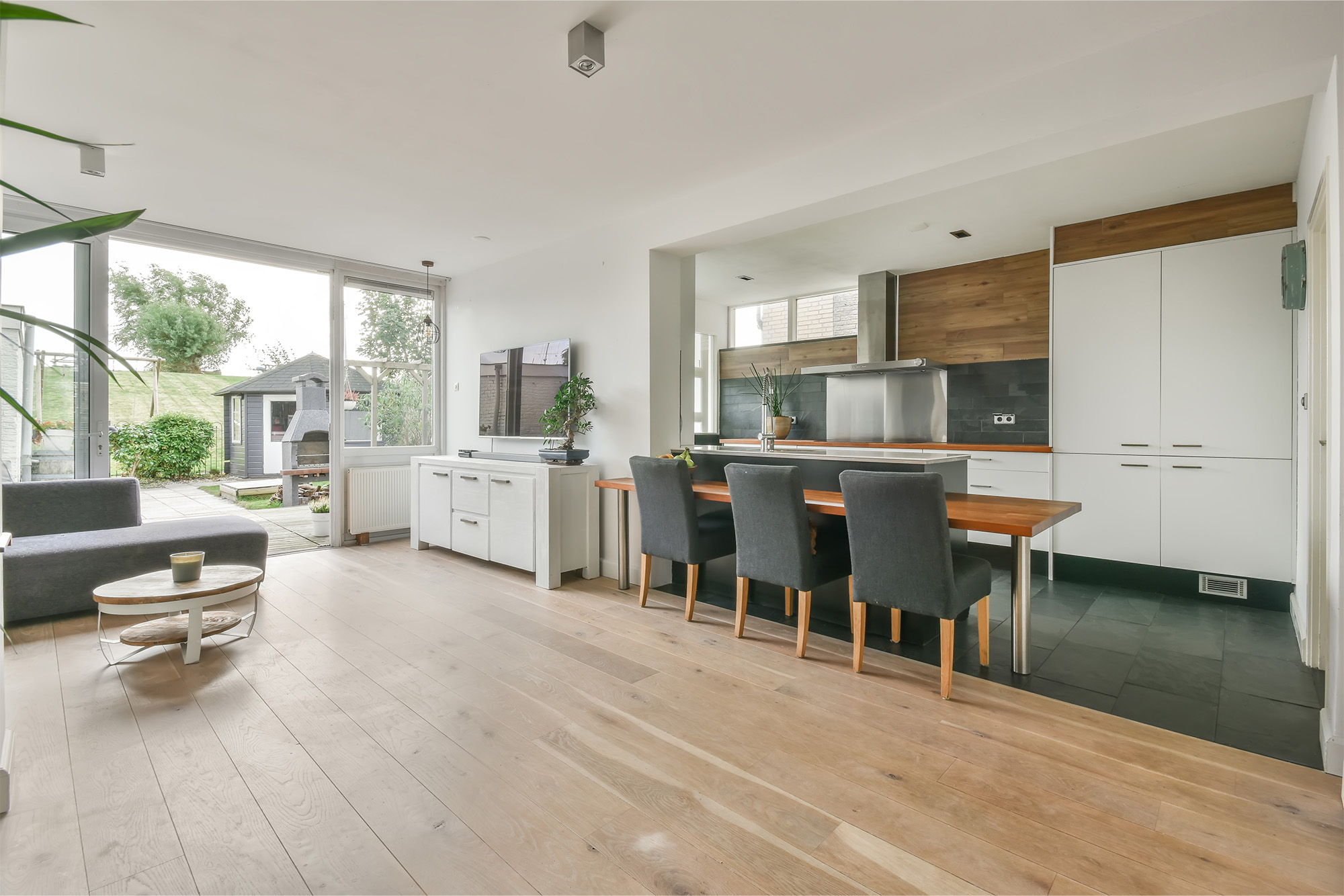
When planning a home remodel, we naturally focus on physical aesthetics—how a certain wood grain complements our cabinets, or how a specific carpet color opens up a dark room. However, in the modern home design landscape, physical health and environmental wellness have become top priorities for homeowners. The materials you choose to place underfoot can have a profound, long-term impact on your household's indoor air quality (IAQ). From trapping airborne allergens to emitting volatile organic compounds (VOCs), different flooring options interact with your living environment in highly unique ways.
Understanding how to select certified low-emission materials and easy-to-clean surfaces is a critical step in designing a clean, hypoallergenic sanctuary for your family.
Hard-Surface Flooring: The Ultimate Defense Against Allergens
For families struggling with asthma, severe seasonal allergies, or sensitivity to pet dander, hard-surface flooring is generally considered the healthiest choice.
Eliminating Traps: Materials like solid hardwood, ceramic tile, and luxury vinyl planks do not have deep fibers or porous backings where dust mites, pollen, and pet dander can settle and multiply.
Effortless Sanitization: Hard surfaces allow you to completely remove allergens during your weekly cleaning routine rather than simply shifting them around. A quick micro-fiber dust mop or a damp mop with a gentle, non-toxic cleaner physically lifts the pollutants away from your living space.
Natural Resistance to Biological Growth: Hard surfaces like porcelain tile are completely inorganic, meaning they cannot support the growth of mold, mildew, or bacteria, even in humid rooms like bathrooms and basements.
Understanding VOCs and Green Certifications
Many synthetic building materials can emit volatile organic compounds (VOCs)—gases that are released into the air over time as the product ages. This is often noticed as that "new car smell" associated with brand-new carpets or vinyl.
To ensure your family is breathing safe, clean air, look for flooring products that carry recognized environmental certifications. For carpets, the "CRI Green Label Plus" program ensures the product has been independently tested for extremely low chemical emissions. For hard surfaces like hardwood and laminate, "FloorScore" certification guarantees the material meets strict indoor air quality standards. Selecting low-VOC adhesives and water-based finishes during the installation process also minimizes chemical exposure inside your home.
Eco-Friendly and Sustainable Material Alternatives
If you want to take your commitment to health and environmental sustainability a step further, consider natural, rapidly renewable resources like cork and bamboo. Cork is naturally hypoallergenic, antimicrobial, and resistant to mold growth due to a substance called suberin, which is inherently present in the bark. Bamboo offers the strength and beauty of traditional hardwood but grows to maturity in a fraction of the time, making it an incredibly green, low-impact choice for modern interiors.
At our local showroom, we are committed to providing flooring options that support a healthy, beautiful lifestyle. David and Pat Wallett continuously search for manufacturers that prioritize sustainable harvesting, clean manufacturing, and non-toxic materials. To learn more about our passion for bringing healthy, high-quality flooring fashions to our clients, explore the Wallett's Flooring about us page.
Are you ready to design a healthier, more beautiful living environment for your loved ones? We invite you to visit our Wallett's Flooring location page to get directions to our showroom and consult with our friendly, knowledgeable experts about our certified eco-friendly collections.


