

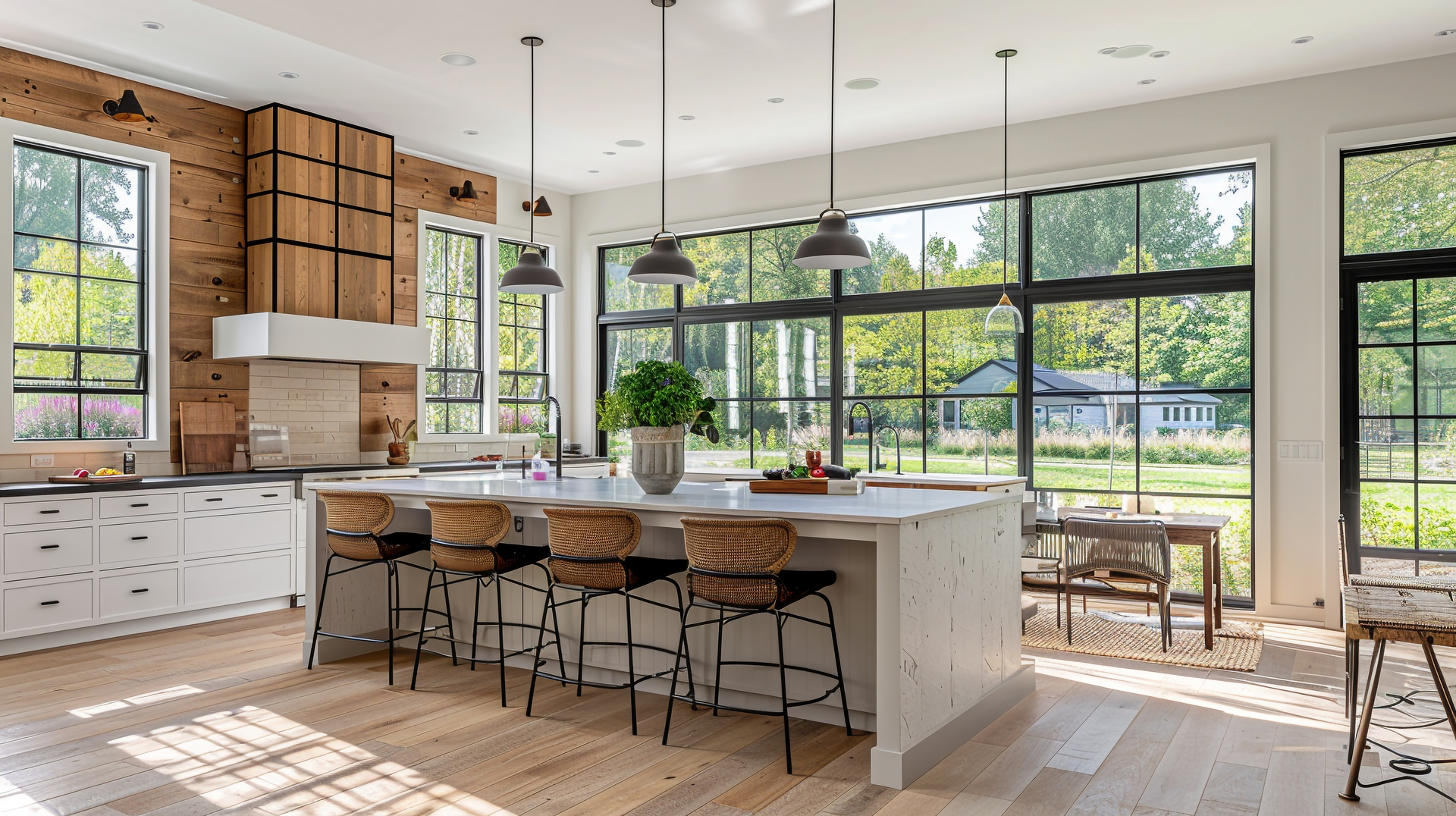
Hardwood floors have long been associated with warmth, character, and timeless design. Traditionally reserved for living rooms, dining areas, and bedrooms, hardwood has steadily made its way into kitchens as open floor plans and cohesive interior styles have become more popular. Still, kitchens are high-traffic, moisture-prone spaces, which raises important questions before committing to hardwood. Exploring both the advantages and the drawbacks helps homeowners decide whether hardwood flooring truly fits their kitchen lifestyle.
The visual appeal hardwood brings to kitchens
One of the biggest reasons hardwood continues to gain popularity in kitchens is visual continuity. In homes with open layouts, hardwood flooring allows kitchens to flow seamlessly into surrounding living spaces. This creates a unified look that feels intentional rather than segmented.
Natural wood tones also bring warmth to a space often dominated by cabinets, appliances, and hard surfaces. Whether paired with modern flat-panel cabinetry or traditional designs, hardwood softens the kitchen’s appearance and adds depth that many tile or vinyl options struggle to replicate.
A boost in home value and long-term appeal
Hardwood flooring is widely recognized as a premium feature. Kitchens with hardwood floors often feel more upscale, which can positively influence resale value. Buyers frequently view hardwood as a durable, long-lasting investment rather than a trend-driven choice.
Unlike some flooring materials that may fall out of style, hardwood ages gracefully. Color preferences may evolve, but the material itself remains desirable. When maintained properly, hardwood floors can last decades and even be refinished to refresh their appearance.
Comfort underfoot during daily routines
Kitchens are spaces where standing for extended periods is common—cooking, cleaning, and gathering all happen here. Hardwood offers a more forgiving surface compared to tile or stone, reducing fatigue over time.
Its natural warmth also makes it more comfortable underfoot, especially during colder months. While radiant heating is an option with some hard surfaces, hardwood provides a comfortable feel without additional systems.
Moisture concerns that require careful consideration
Despite its many benefits, hardwood flooring does have vulnerabilities, especially in kitchens. Water exposure from spills, sink splashes, and appliance leaks can cause warping, swelling, or staining if not addressed promptly.
Even with modern finishes and sealants, hardwood is still a natural material that reacts to moisture. Homes with busy kitchens or frequent cooking activity may require extra diligence to keep floors dry and protected.
Maintenance expectations in a busy kitchen environment
Hardwood floors in kitchens demand consistent care. Spills should be wiped immediately, and routine sweeping is essential to prevent grit from scratching the surface. Unlike tile, hardwood cannot simply be scrubbed aggressively without risking damage to the finish.
Protective measures such as area rugs near sinks and dishwashers can help extend the life of the floor. While refinishing is possible, it is a larger commitment compared to replacing a cracked tile or damaged plank in other flooring types.
Durability depends on wood species and finish
Not all hardwood performs equally in kitchen settings. Harder wood species such as oak, maple, or hickory tend to hold up better against dents and daily wear. Softer woods may show marks more quickly, especially in high-traffic zones.
Finish selection also plays a major role. Matte or satin finishes can help disguise minor scratches, while glossy finishes may highlight wear over time. Engineered hardwood, with its layered construction, can offer improved stability in kitchens compared to solid hardwood.
Noise, acoustics, and everyday living
Hardwood floors can amplify sound, particularly in kitchens with high ceilings or minimal soft furnishings. Footsteps, dropped utensils, and chair movement may be more noticeable compared to cork or vinyl alternatives.
Adding runners, felt pads under furniture, and thoughtful layout choices can help manage acoustics. In open-concept homes, this consideration becomes even more important as sound travels easily between spaces.
Comparing hardwood to alternative kitchen flooring options
Many homeowners weigh hardwood against luxury vinyl, tile, or engineered wood. Vinyl offers superior moisture resistance, while tile excels in durability and easy cleanup. However, neither fully replicates the authentic feel and character of real wood.
For those prioritizing aesthetics and continuity throughout the home, hardwood remains a compelling option. For households focused on minimal maintenance and maximum moisture protection, alternatives may be worth exploring.
Is hardwood right for this kitchen?
Choosing hardwood flooring for a kitchen ultimately depends on lifestyle, cooking habits, and design priorities. Kitchens that see moderate use and receive proper care can benefit greatly from hardwood’s warmth and elegance. High-traffic kitchens with frequent spills may require a more resilient material.
Working with experienced flooring professionals ensures that wood species, finish, and installation methods align with real-world kitchen demands.
Talk with our flooring experts about kitchen-ready hardwood today!
Since 1992, Wallett's Flooring has helped homeowners throughout Hummelstown, Hershey, Palmyra, and Middletown, PA make confident flooring decisions. Our flooring experts offer professional installation, trusted guidance, and the latest hardwood styles designed for modern living. Stop by or reach out to explore hardwood options that truly fit kitchen lifestyles.


