

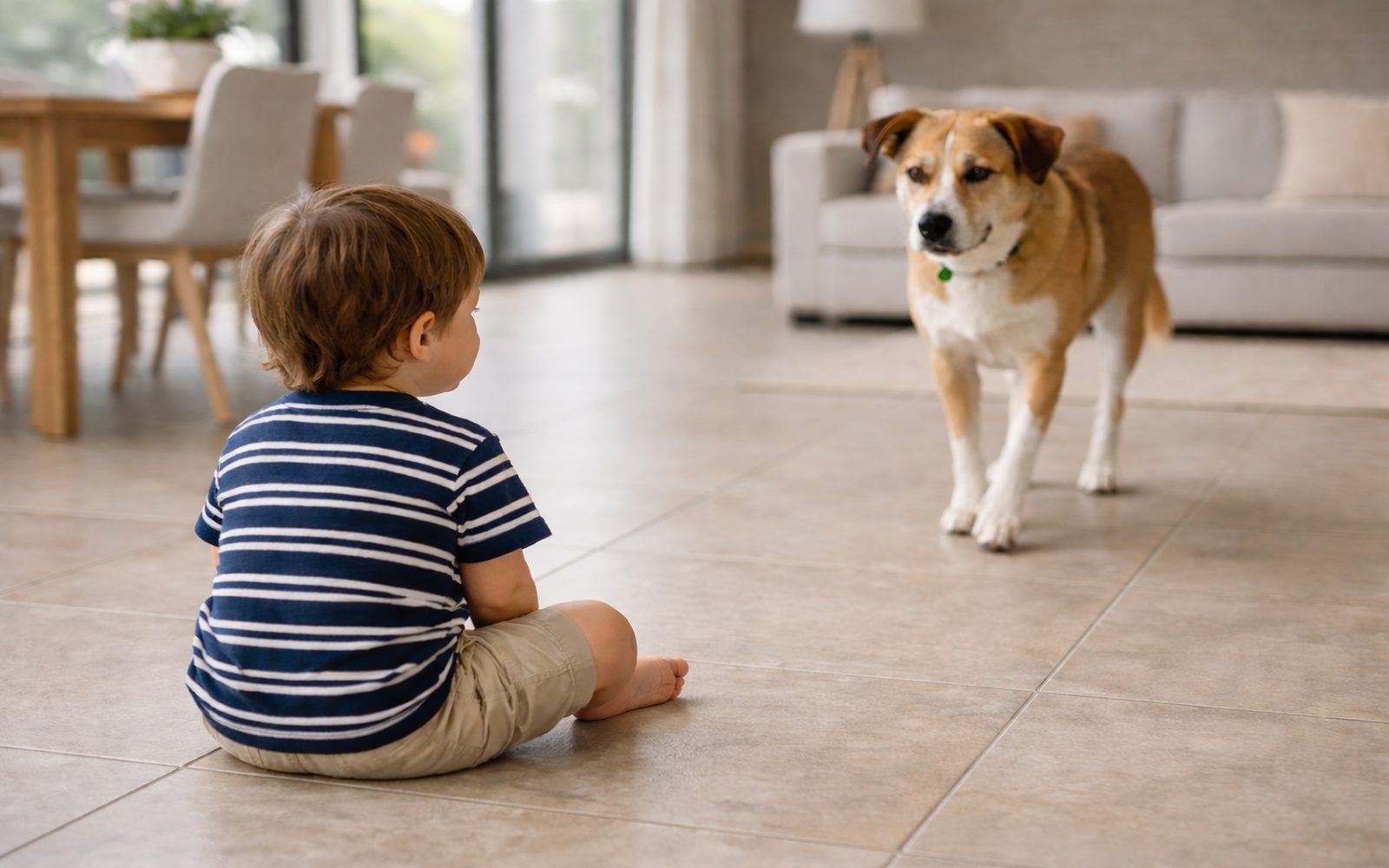
Tile flooring has long been a popular choice for family homes thanks to its durability, easy maintenance, and timeless style. But when kids are racing through the house or pets are skidding around corners, safety becomes just as important as appearance. That’s where tile flooring slip ratings come in. Understanding what these ratings actually mean can make a real difference in choosing a surface that supports a safer, more comfortable home environment.
Slip resistance isn’t about eliminating movement altogether—it’s about reducing the risk of unexpected slips, especially in areas where water, spills, or damp paws are part of daily life.
Why slip resistance matters in active households
Homes with children and pets experience more motion, more mess, and more unpredictable activity. Tile floors that look beautiful but lack sufficient traction can become hazardous in kitchens, bathrooms, laundry rooms, and entryways.
Slip-resistant tile helps:
Reduce fall risks during everyday play and movement
Improve stability in wet or high-traffic areas
Provide peace of mind for families with toddlers, seniors, or energetic pets
Choosing tile based on slip performance is not about sacrificing design—it’s about making smarter material decisions from the start.
Understanding tile slip ratings in plain language
Slip ratings measure how much resistance a tile surface provides when pressure is applied. In simple terms, they indicate how likely a person or pet is to slip on the surface under certain conditions.
Modern slip testing is typically expressed using the COF (Coefficient of Friction) rating. The higher the number, the more traction the tile offers underfoot.
What COF ratings actually mean for daily use
For residential spaces, tiles are often tested under wet and dry conditions. Current industry standards generally recommend:
0.42 COF or higher for interior spaces that may get wet
Higher ratings for areas like bathrooms, laundry rooms, and mudrooms
Tiles with lower COF values may still work well in low-risk areas, such as formal living rooms or decorative spaces, but they’re not ideal where water or fast movement is common.
Wet vs dry traction and why both matter
Some tiles perform well when dry but lose traction when exposed to moisture. For homes with kids and pets, wet performance is just as important—if not more so—than dry ratings.
Think about:
Bath time splashes
Spilled water bowls
Rain tracked in from outside
Kitchen spills during meal prep
Tile selections should account for real-life conditions, not showroom lighting.
Tile surface textures that improve grip
Slip resistance isn’t only about numbers. Surface texture plays a major role in how tile feels underfoot.
Textured and matte-finish tiles often provide better traction than high-gloss options. Subtle surface variations can increase grip without feeling rough or uncomfortable for bare feet or paws.
Families often explore safety-focused options discussed in tile flooring information that explains performance and surface characteristics to better understand how different finishes behave in real homes.
Choosing tile finishes for kid- and pet-friendly spaces
Glossy tiles may look striking, but they can be slippery in busy households. Satin, honed, or lightly textured finishes are often better suited for active areas.
Porcelain and ceramic tiles with slip-resistant finishes are especially popular for family homes. Many homeowners browse styles and formats available within tile product collections designed for everyday use to find options that balance safety, durability, and appearance.
Room-by-room slip considerations
Different areas of the home call for different slip resistance levels:
Bathrooms: Prioritize high wet-traction ratings
Kitchens: Look for slip resistance combined with easy cleaning
Entryways: Choose tiles that handle moisture and dirt effectively
Laundry rooms: Wet-rated tiles help reduce sudden slips
Matching tile performance to each room’s function helps create a cohesive, safer flooring plan throughout the home.
How grout and layout affect traction
Slip resistance isn’t only about the tile itself. Grout lines can add subtle traction, especially with smaller-format tiles. Layout patterns that increase grout presence may provide additional grip compared to large-format tiles with minimal joints.
Professional installation ensures tiles are set correctly, slopes are managed in wet areas, and safety features work as intended.
Making confident tile decisions for family safety
Slip ratings are not something to overlook or guess at. Taking the time to understand how tile performs under real household conditions leads to better long-term satisfaction and safer living spaces.
When tile flooring is chosen thoughtfully—with slip resistance, texture, and placement in mind—it becomes a reliable foundation for busy family life rather than a hidden hazard.
Talk with local flooring experts about safer tile choices
For families looking to balance style, durability, and safety, working with experienced flooring professionals makes all the difference. At Wallett’s Flooring, we help homeowners select tile flooring options that support everyday life while keeping comfort and safety front and center. To explore suitable tile solutions or ask questions about slip ratings, visit our contact us page to start the conversation.


