

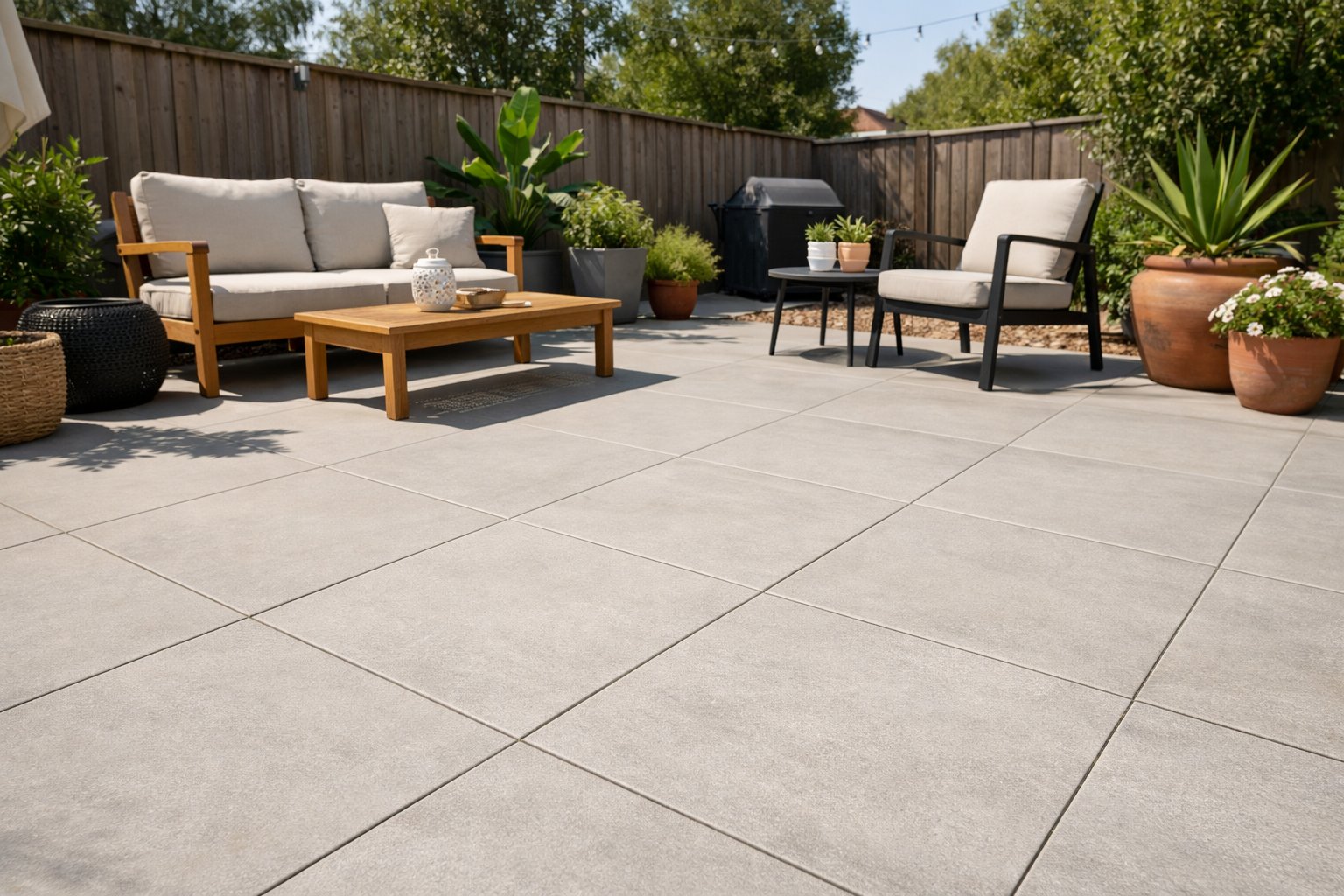
Uncovered patios look deceptively simple on paper. They feel like an extension of indoor living, but in reality, they sit in one of the most punishing environments around a home. Direct sun, standing moisture, freeze–thaw cycles, and airborne debris all attack flooring choices in ways many homeowners never anticipate. The result is often premature fading, surface cracking, slippery finishes, or materials that simply were never designed to live outdoors without protection.
Choosing flooring for an uncovered patio isn’t about picking what looks good in a showroom. It’s about understanding exposure, material behavior, installation methods, and long-term maintenance before a single plank or tile is laid.
Where outdoor exposure quietly changes everything
Most flooring mistakes begin with underestimating exposure. An uncovered patio experiences full UV radiation for hours a day, especially during summer months. UV exposure doesn’t just fade color—it breaks down surface coatings, weakens binders in composite materials, and accelerates brittleness.
Rain and snow introduce another layer of stress. Water seeps into grout lines, seams, or micro-cracks, then expands during freezing temperatures. Over time, this causes tiles to loosen, surfaces to spall, or planks to cup and separate. Flooring selected without accounting for these conditions often looks worn in just a few seasons.
Slip resistance matters more than appearance
Many homeowners focus on texture or color while overlooking slip resistance. Smooth surfaces that feel comfortable indoors can become dangerous outdoors, especially when exposed to rain, pollen, or fallen leaves.
Patio flooring should always be evaluated for wet traction, not just dry comfort. Subtle surface textures, structured finishes, or slip-rated materials dramatically reduce the risk of falls without sacrificing aesthetics. This is especially important for households with children, pets, or frequent entertaining.
Drainage planning is not optional
Another overlooked factor is water management. Even the most durable outdoor flooring will fail if water has nowhere to go. Flat installations without proper pitch allow moisture to pool, increasing staining, algae growth, and freeze damage.
Effective patio flooring designs account for drainage from the start. This may include slight slopes away from the home, permeable grout systems, or installation methods that allow water to escape rather than remain trapped beneath the surface. Flooring selection and installation strategy must work together—not as separate decisions.
Material suitability goes beyond “outdoor-rated”
Not all “outdoor-rated” products perform equally. Some materials handle moisture well but struggle with temperature swings. Others resist UV exposure but require frequent sealing to stay protected.
Porcelain tile, when properly rated and installed, remains one of the most stable options for uncovered patios because of its density and low absorption. Homeowners exploring tile options often overlook how critical frost resistance and surface finish are for exterior use.
Understanding the differences between indoor tile and exterior-rated porcelain can prevent costly mistakes later on, especially when reviewing guidance found on this page about tile flooring considerations.
Installation methods often determine success or failure
Even the right material can fail if installed incorrectly. Exterior installations require different adhesives, expansion spacing, and substrate preparation than indoor floors. Thinset selection, grout type, and movement joints all play critical roles in long-term durability.
One common oversight is assuming an existing concrete slab is automatically suitable. Outdoor slabs often need moisture testing, crack isolation, or surface preparation before flooring installation begins. Skipping these steps can lead to hollow sounds, loose tiles, or visible cracking within a short time.
Maintenance expectations should guide material choice
Uncovered patios demand more maintenance than covered spaces, and flooring choices should reflect realistic expectations. Some materials require periodic sealing, while others need regular cleaning to prevent buildup from environmental debris.
Homeowners who prefer minimal upkeep often overlook how their lifestyle affects flooring longevity. High-traffic patios, grilling areas, or pool-adjacent spaces place additional demands on surfaces. Understanding maintenance requirements upfront helps align material selection with daily use, not just visual preference.
Transitions between indoor and outdoor spaces get ignored
The transition from interior flooring to an uncovered patio is another detail many homeowners miss. Height differences, expansion behavior, and moisture barriers must be addressed to prevent tripping hazards and water intrusion.
Poorly planned transitions can cause indoor flooring damage when water migrates inside or expansion gaps are eliminated. Thoughtful transition design ensures both areas perform independently while maintaining visual continuity.
Climate-specific considerations make a real difference
Local climate plays a major role in patio flooring performance. Temperature extremes, humidity levels, and seasonal precipitation patterns influence which materials thrive and which struggle.
In regions with cold winters, freeze–thaw resistance becomes critical. In areas with hot summers, UV stability and heat retention matter more than homeowners expect. Installation expertise and preparation methods—like those outlined within professional flooring services—often make the difference between long-term performance and early failure.
Final thoughts on getting it right the first time
Uncovered patios demand a different mindset than interior rooms. Flooring decisions must be driven by exposure, safety, drainage, and installation expertise—not just design inspiration. When these overlooked factors are addressed early, outdoor spaces remain functional, attractive, and safe for years instead of becoming recurring repair projects.
Talk through patio flooring options with our team
Choosing the right flooring for an uncovered patio is easier with experienced guidance. We help homeowners select materials that perform well outdoors and install them with long-term durability in mind. To explore options or request professional advice, visit our contact page and start the conversation with our flooring experts.


